
Article: How to Make Abstract Art: 5 Easy Steps to Your First Painting
How to Make Abstract Art: 5 Easy Steps to Your First Painting
Have you ever stood before a stunning canvas, captivated by its rich textures, and wondered, "Could I create something like that?" The answer is a resounding yes—and learning how to make abstract art is much easier and far more forgiving than you might think. Many of our clients at Artvista Gallery appreciate the depth and emotion of a beautiful canvas but feel intimidated by the creative process itself.
Whether you want to try your hand at mixing colors for a weekend project or you are simply curious about the craftsmanship behind the large-format living room art you love, understanding the creative process deepens your appreciation for fine decor. This guide will walk you through how to make abstract art paintings from scratch. We will cover everything from gathering your materials to the final brushstroke, offering a comprehensive look at abstract art for beginners. By the end of this journey, you will not only know how to bring a blank canvas to life, but you will also understand exactly what makes professional hand-painted pieces so profoundly transformative for your home. Ready to unlock your inner artist? Let’s dive into the vibrant world of abstract expression.
What Is Abstract Art?
At its core, abstract art is a departure from reality. Instead of trying to replicate a landscape, a person, or an object with photographic accuracy, it uses shapes, colors, forms, and gestural marks to evoke an emotion or set a mood. When you strip away the pressure of painting something "perfectly," you give yourself the freedom to communicate pure feeling.
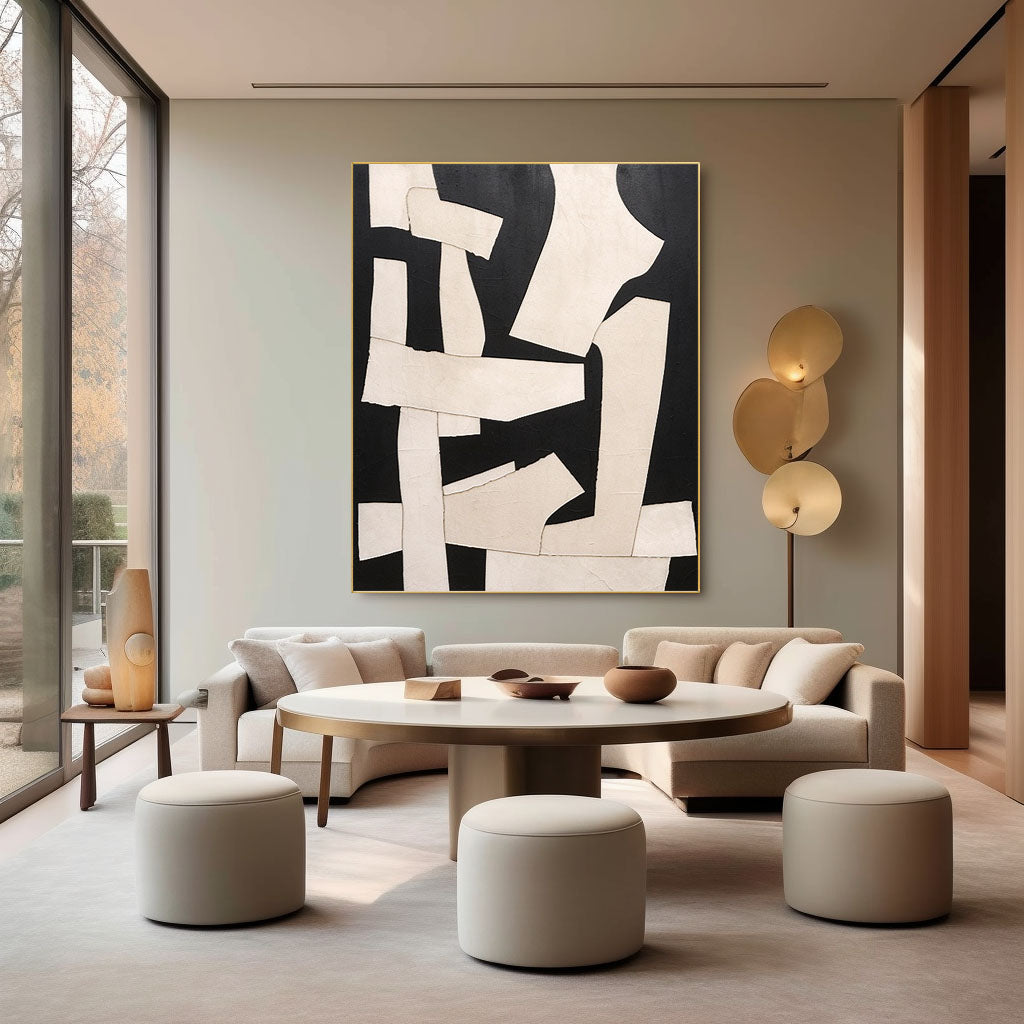
Understanding basic abstract art means recognizing that the canvas is a playground for texture and color temperature. It is about how the heavy, sweeping stroke of an earth-toned paint makes a room feel grounded, or how a sharp contrast of black and white adds instant modern sophistication to a space. Grasping the basics of abstract art helps you see beyond the surface. It shifts your perspective from asking what a painting is of, to asking what a painting makes you feel. Mastering abstract painting basics and abstract art basics will not only help you wield a brush with confidence, but it will also sharpen your eye when curating professional pieces for your own minimalist or Wabi-sabi interior.

Essential Materials: What You Need to Paint Abstract Art
Before you can dive into making abstract art, you need to set up your creative workspace. Having the right tools on hand will make creating abstract art a smooth and enjoyable experience. Here is a checklist to get you started on your beginners abstract painting journey:
-
High-Quality Canvas: Choose a sturdy, pre-gessoed canvas. A heavier canvas prevents warping when you apply thick layers of paint, which is crucial for achieving a premium look.
-
Acrylic or Oil Paints: Acrylics dry quickly and are incredibly beginner-friendly. However, if you want the rich, 3D tactile details found in professional hand-painted oil paintings, traditional oil paints are the gold standard.
-
A Variety of Brushes: Stock up on wide flat brushes for broad color washes, and smaller round brushes for finer details and organic line work.
-
Palette Knives: These are the secret weapon for building texture. Scraping, layering, and smearing paint with a metal palette knife gives your artwork that coveted modern, thick-impasto feel.
- Mixing Palette and Mediums: A large palette gives you room to experiment with color mixing. If using acrylics, have water and a retarder medium nearby; if using oils, you will need linseed oil and a safe solvent.
5 Easy Abstract Painting Techniques to Try
When figuring out how to do abstract art, relying on specific techniques can help you overcome the intimidation of a blank canvas. Here are five abstract art methods you can experiment with to build depth and visual interest in your work:
-
Color Blocking: Start by dividing your canvas into large geometric or organic sections and filling them with contrasting or complementary colors. This method establishes a strong foundational composition.
-
Impasto Texture Building: Learn how to abstract your subject by applying paint heavily and thickly with a palette knife. This creates dramatic 3D peaks and valleys that catch the light beautifully in a well-lit living room.
-
Splattering and Drip: Embrace spontaneity. Load a wet brush with diluted paint and flick it across the canvas, or let gravity pull drips down the surface for a dynamic, energetic aesthetic.
-
Sgraffito (Scratching): While a layer of paint is still wet, use the back end of your paintbrush or a palette knife to scratch lines and shapes into it, revealing the distinct colors hidden underneath.
-
Wet-on-Wet Blending: Knowing how to do abstract painting often comes down to transitions. Apply wet paint directly onto another layer of wet paint to create seamless, cloudy gradients that are incredibly soothing to the eye.

How to Paint Abstract Art: A Step-by-Step Tutorial
Ready to put brush to canvas? Follow this abstract painting for beginners step by step guide to create your first masterpiece. If you have ever wondered how do you paint abstract art or exactly how to make an abstract painting from start to finish, this structured approach will keep you on track.
-
Prep Your Space and Mind: Protect your floors with a drop cloth. Pour your chosen colors onto your palette. Take a deep breath and remember that knowing how to create abstract art is about trusting your instincts, not forcing a specific outcome.
-
Lay Down the Base: Use a wide brush to apply a thin wash of your dominant background color. This removes the intimidating stark white of the canvas and provides a unified undertone for the rest of your piece.
-
Establish the Composition: Introduce your secondary colors. Use broad strokes to map out where the visual weight of the painting will live. Don't overthink it; just focus on balancing light and dark areas.
-
Build Texture and Layers: Switch to a palette knife or a coarse brush. Apply thicker layers of paint over your base. This is where you introduce the rich, tactile details that make textured abstract paintings so appealing in home decor.
-
Add Final Accents: Step back and evaluate. Add delicate splatters, fine lines, or pops of a contrasting highlight color to bring the composition to life. Knowing when to stop is just as important as knowing where to begin. Let the canvas dry completely in a dust-free environment.
Abstract Art Ideas and Inspiration to Find Your Style
Finding your unique artistic voice requires looking inward and drawing inspiration from the environments you love most. If you are researching how to make abstract art as someone who likes details, you might gravitate toward intricate geometric patterns, delicate linework, or the subtle, layered distressing typical of the Wabi-sabi aesthetic. Wabi-sabi embraces imperfection, utilizing earthy tones like muted terracottas, warm grays, and soft creams to create a space that feels deeply grounded and organic.
On the other hand, your style of abstract painting might lean toward modern, high-contrast expressionism. Think of sweeping, bold strokes of navy blue against stark white, punctuated by flashes of gold leaf. When planning your artwork, consider the color temperature of your home. Cool-toned abstract pieces beautifully complement sleek, contemporary interiors with metal accents, while warmer, textured landscape abstractions naturally enhance cozy spaces filled with natural wood and woven fabrics. By aligning your artistic inspiration with your interior design goals, every brushstroke becomes a deliberate step toward elevating your living environment.
How to Display and Style Abstract Wall Art in Your Home
Creating or acquiring a beautiful piece of art is only half the journey; integrating it seamlessly into your home is what truly defines your aesthetic space. When styling your newly created canvas, or when hanging a premium large-format living room art piece from Artvista Gallery, it is essential to consider spatial proportions and the powerful interplay of light and shadow. A common mistake is hanging art too high; aim to keep the center of the canvas at eye level, roughly 57 to 60 inches from the floor. If you are placing a multi-piece set—such as a diptych or triptych—above a sofa, ensure the total width spans about two-thirds of the furniture's length to maintain visual harmony.
Lighting plays a critical role in bringing textured art to life. Hand-painted oil paintings possess a rich, tactile quality that flat prints completely lack. To highlight these dimensional brushstrokes, angle a warm spotlight (ideally around 3000K to 3500K) at a 30-degree angle toward the canvas. This casts delicate, mesmerizing shadows across the heavy impasto layers, enriching the room's ambiance. Furthermore, proper maintenance preserves this beauty. Keep your hand-painted investments away from direct, harsh UV sunlight to prevent color fading, and gently dust the surface with a soft, dry bristle brush every few months.
For those debating between investing in authentic artwork versus settling for cheaper alternatives, the difference in home styling impact is profound.
| Feature | Hand-Painted Oil Paintings | Machine-Printed Posters |
| Texture & Depth | Rich, 3D minimalist details with real, tactile brushstrokes. | Completely flat, lacking physical depth and character. |
| Aesthetic Value | Unique, professional artist touch that instantly elevates room ambiance. | Mass-produced imagery that can look cheap in sophisticated spaces. |
| Durability | Lasts for decades with proper oil binding and high-quality canvas. | Prone to fading, yellowing, and corner curling over time. |
| Best For | Wabi-sabi, modern abstract, and luxurious, long-term home styling. | Temporary dorm rooms or easily replaceable seasonal decor. |
Conclusion
Exploring the world of canvas and color is a deeply rewarding experience. While creating your own pieces is a fantastic way to engage with your creative side, achieving the rich, museum-quality textures and sophisticated color palettes required for high-end home styling takes years of professional mastery. If you want to instantly elevate your living space without the mess and learning curve, we invite you to explore the exquisite collections at Artvista Gallery. Browse our curated selection of 100% hand-painted, large-format textured abstract paintings today, and enjoy free global shipping as you bring professional, breathtaking art directly to your walls.
Frequently Asked Questions About Abstract Painting
What is abstract painting?
A frequent question from our community is how do you make abstract art when there is no clear subject matter? An abstract piece focuses on the pure elements of art—color, shape, and texture—to create a mood rather than depicting a literal scene. For those wanting to know how to draw abstract painting, the first step is letting go of the need for realism and embracing pure expression.
Do you paint the background first in abstract art?
Yes, when figuring out how to draw abstract art, laying down a background color first is highly recommended. It acts as an anchor. If you are wondering how do you draw abstract art from a completely blank state, putting down a base layer eliminates the intimidating white canvas and helps unify the subsequent layers of paint.
What is an abstract sculpture?
While we focus heavily on canvas wall decor, an abstract sculpture applies similar principles in three dimensions using metal, clay, or stone. Much like how to draw an abstract drawing explores shape and line on flat paper, a sculpture manipulates physical space without replicating a specific, realistic figure.
How do I know when my abstract painting is finished?
Trust your intuition. When figuring out how to draw abstract concepts, knowing when to stop is a common struggle. Step back, view the piece in different lighting, and assess if the visual weight feels balanced. If nothing feels like it's clashing or missing, it is time to put the brush down.
What is an abstract in art?
In the art world, "an abstract" refers to a non-representational artwork that uses pure visual elements like color, shape, line, and dimensional texture to evoke emotion rather than depicting a literal object or realistic scene. Instead of painting a recognizable figure or landscape, artists rely on the basics of abstract art to create mood, movement, and visual balance. In modern interior styling, hanging a piece of hand painted wall art or modern abstract wall art is one of the most effective ways to bring tactile depth and a sophisticated focal point into your living room.
References
- Tate Modern (Tate). Art Terms: Abstract Art.
- Tate Modern (Tate). Art Terms: Impasto Technique and Surface Texture.
- The Museum of Modern Art (MoMA). The Processes and Materials of Abstract Expressionist Painting.
- The Museum of Modern Art (MoMA). Abstract Expressionist Sculpture.

Leave a comment
This site is protected by hCaptcha and the hCaptcha Privacy Policy and Terms of Service apply.