

Why Minimalist Textured Wall Art is the Ultimate Aesthetic Shift ?
In the interior design world, trends come and go in the blink of an eye. But every once in a while, a movement comes along that completely changes how we feel inside our own homes. Right now, that movement is all about tactile depth. People are quietly moving away from the flat, brightly colored digital prints that dominated the late 2010s. Instead, there is a real craving for calmness, organic imperfections, and physical texture.
Because our daily lives are so glued to screens, our physical spaces need to give us a sense of grounding. Today’s most stylish homes don't shout for attention with loud colors, they whisper. They rely on monochromatic tones and physical structure to make a statement.
The Subtle Power of Minimalist Textured Wall Art
Minimalism has officially gotten a warm, welcoming upgrade. The days of cold, clinical white rooms that felt more like empty art galleries than actual homes are gone. Heavily influenced by Japandi design and the beautiful imperfections of the ancient Japanese philosophy of Wabi-Sabi, the modern aesthetic is all about structural warmth and cozy layers.
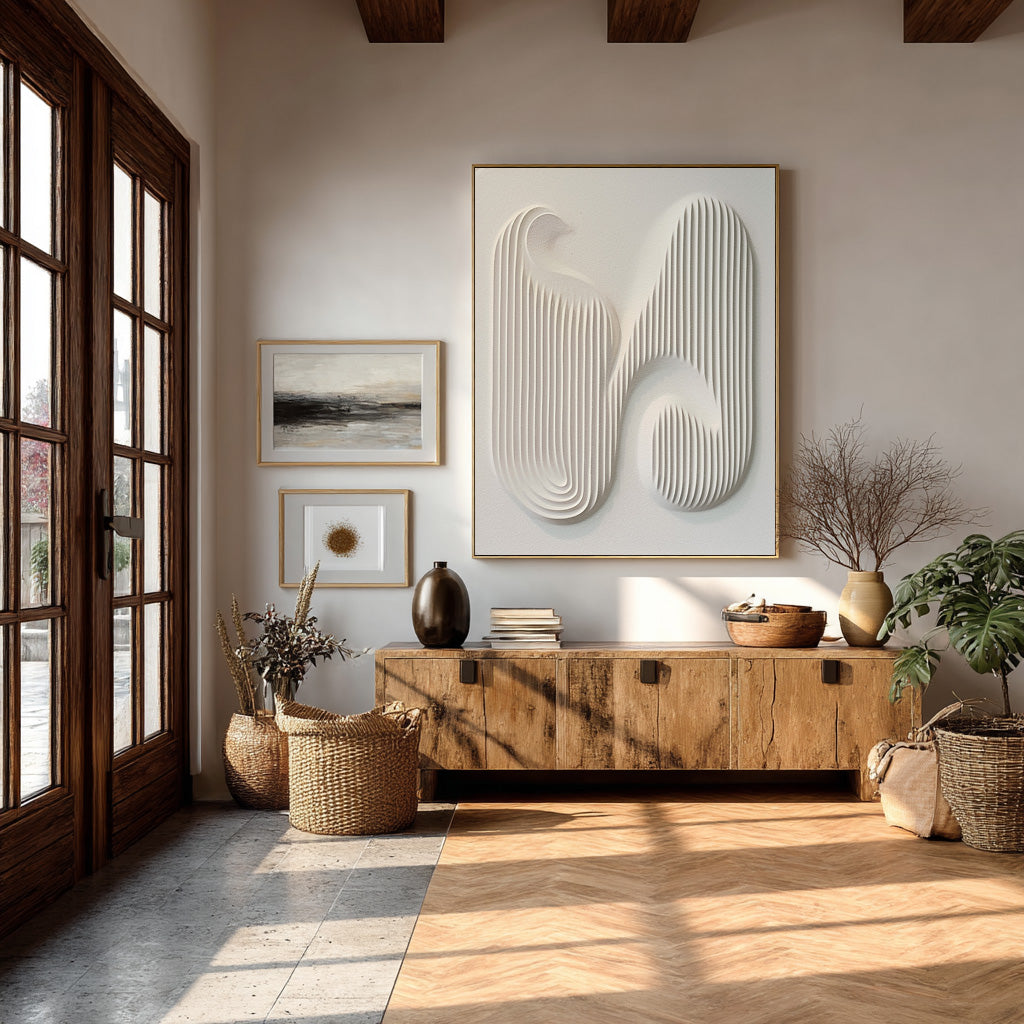
This is exactly where Minimalist Textured Wall Art steps in to take center stage. By stripping away busy images and complicated color palettes, these pieces rely entirely on how light and shadow change in your room throughout the day. Curated collections, like those found at Artvista Gallery, show just how powerful these monochromatic canvases can be. A simple canvas coated in layers of plaster, sculpted gesso, or lime-wash compound instantly transforms a plain wall into a dynamic feature. Whether the texture is shaped into soft organic waves, clean geometric grids, or smooth arches, it blends right into the architecture of the room.
Because these pieces usually come in soothing neutral tones like vanilla cream, soft travertine, oatmeal, or deep charcoal, they never fight for attention. Instead, they provide a curated backdrop that brings effortless luxury into your space.
"Texture is the unsung hero of modern design. When you take away contrasting colors, the physical structure of the art steps up to tell a story of light and shadow."
Scaling Up with Large Textured Wall Art
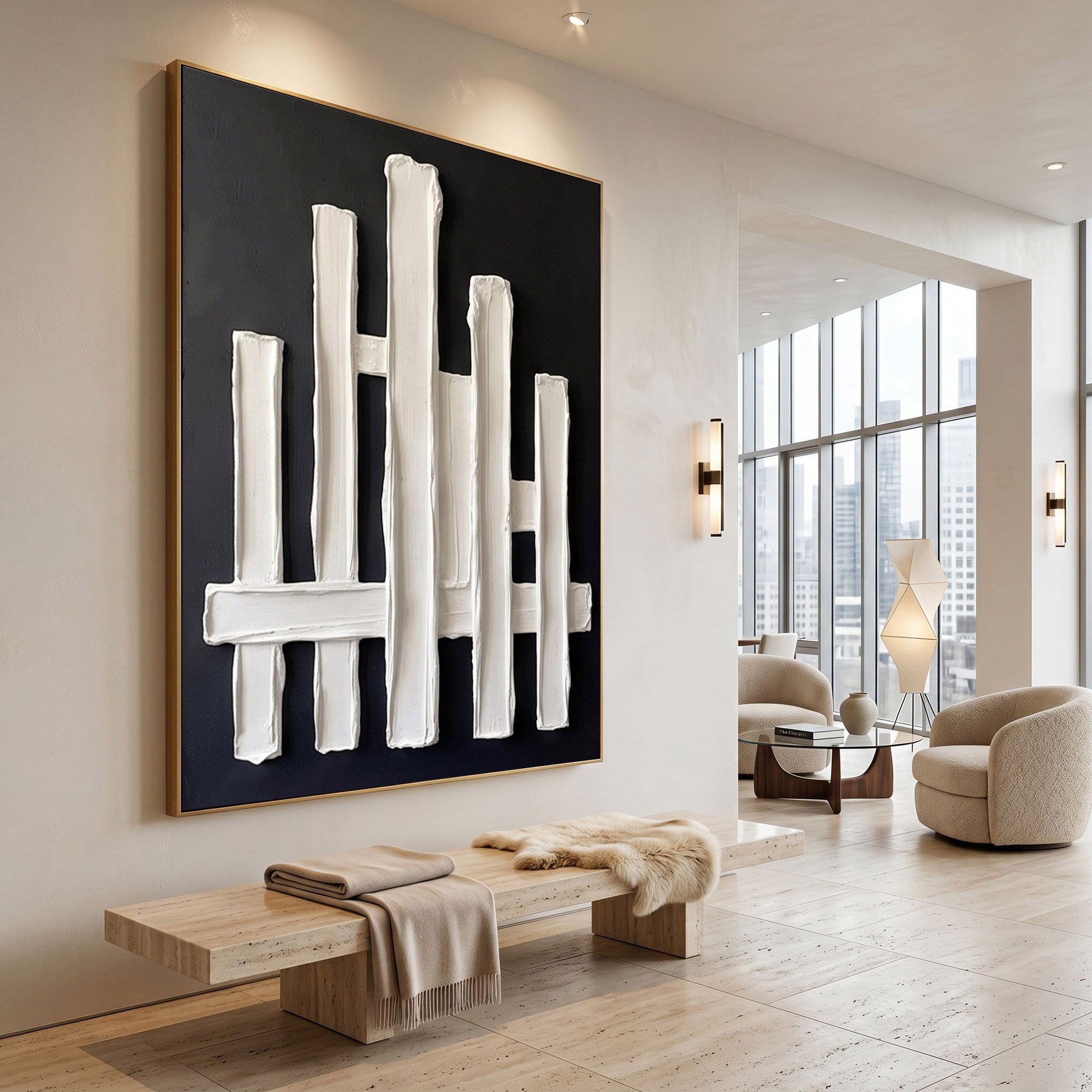
When you are working with subtle, single-color mediums, scale makes a massive difference in how the art interacts with your room. If you want to make a definitive design statement without cluttering your walls with busy patterns, investing in a piece of Large Textured Wall Art is the ultimate move.
An oversized canvas acts as a grounding anchor for an entire room. It perfectly balances key areas, like the space above your living room sofa, a minimalist dining table, or an understated bedroom headboard. The real magic of a massive tactile piece is its ability to fill an architectural void without overwhelming your senses or causing visual fatigue.
In modern, open-concept layouts, a large canvas featuring deep ridges or heavy palette-knife strokes introduces a sense of permanence and refined luxury. It naturally draws the eye upward and outward, making your ceilings feel higher and your space feel bigger. When styling an oversized piece, just remember to give it room to breathe. Pair it with low-profile furniture and simple, organic decor to let the sheer scale of the artwork do the talking.
Top Materials and Creative Concepts for Textured Wall Art
One of the coolest things about the tactile art movement is how versatile and accessible it is. You don’t necessarily have to spend a fortune at a boutique shop to bring high-end structural beauty into your home; many of the best pieces are actually made from raw, everyday building materials. If you love a good hands-on project, creating your own bespoke Textured Wall Art can be a highly rewarding weekend DIY.
The most common materials contemporary artists use include joint compound, plaster of Paris, paper mache pulp, and heavy gesso pastes layered over stretched canvas frames. For a sharp, mid-century modern look, you can use a notched tiling trowel to create mathematically perfect waves or clean geometric grids across the canvas. On the other hand, if your style leans more rustic and earthy, paper mache pulp can be sculpted into organic, stone-like relief panels that look like weathered rock formations.
The main secret to success here is fully embracing imperfection. Small cracks, rough edges, and uneven layers only add to the authentic, artisanal charm of the final piece.
Elevating Your Home with Textured Wall Art Decor
To truly unlock the visual potential of tactile art, you have to think about the environment surrounding it. Successfully incorporating sophisticated Textured Wall Art Decor into a contemporary home requires a strategic approach to lighting and material curation. Because these pieces lack color contrast, their whole visual story depends on shadows.
Placing your artwork opposite a large, sunlit window or directly underneath focused lighting like a sleek matte-black picture light or adjustable ceiling spotlights will create beautiful, high-contrast shadows that highlight every single ridge and valley. Investing in a piece from Artvista Gallery ensures you get that gallery-grade depth that responds beautifully to ambient lighting.
Beyond the walls, lean into the tactile theme by mirroring the artwork’s physical depth throughout the entire room. Pair your textured canvas with soft, organic materials like a luxurious bouclé accent chair, a raw travertine coffee table, matte ceramic pottery, and flowing flax-linen curtains. This thoughtful layering of different materials within a neutral color palette produces a rich, multi-dimensional experience that feels premium, intentional, and incredibly welcoming.
Frequently Asked Questions
1. How do I clean and maintain textured art without ruining it?
Since these pieces don't sit behind a glass frame, dusting is key to keeping them fresh. Use a clean, dry, ultra-soft brush like a large makeup brush or a microfiber feather duster to gently wipe away any dust settling into the ridges. Definitely avoid wet cloths or harsh chemical sprays, as moisture can soften or discolor materials like plaster or gesso over time.
2. What is the best way to style Minimalist Textured Wall Art in a small room?
In smaller spaces, stick to monochromatic, lighter neutral tones like soft cream, warm beige, or light gray to keep the room feeling open and airy. Hanging a piece of Minimalist Textured Wall Art allows you to add rich depth, personality, and an upscale vibe to a compact room without cluttering the walls with loud colors or busy patterns.
3. Can I hang these pieces in high-humidity areas like bathrooms?
It’s generally not recommended unless the artwork has been sealed with a specialized, moisture-resistant varnish. Raw materials like joint compound and plaster are naturally porous, meaning they can absorb moisture from steam, which might lead to cracking or warping over time. It’s best to keep them in dry spaces like living rooms, bedrooms, or dining areas.
4. How do I choose the right size of Large Textured Wall Art for my living room?
A great rule of thumb is that your artwork should take up about two-thirds to three-quarters of the total width of the furniture it's hanging over, like your main living room sofa or a console table. Opting for Large Textured Wall Art creates a stunning, gallery-like focal point that grounds an expansive room beautifully without making the space feel visually crowded.
5. Do I need to frame textured canvases, or should they stay unframed?
Both styles look incredible, but it really depends on your personal vibe. Leaving the canvas unframed offers a raw, organic, and sculptural look where the texture naturally wraps around the edges. If you prefer a more polished, high-end look, a slim wooden floater frame works beautifully because it elegantly showcases the art without boxing it in.
6. What kind of lighting works best to highlight Textured Wall Art Decor?
Lighting is absolutely everything for these pieces! Because they rely entirely on shadows rather than color contrast, directional lighting is your best friend. Try hanging a sleek picture light directly above your Textured Wall Art Decor , or position adjustable ceiling spotlights to cast a warm glow from an angle. This creates dramatic, high-contrast shadows that bring every ridge and valley to life as the day changes.
7. Is DIY textured art durable, or will it crack over time?
If you use the right materials and prime your canvas properly, it will last for years. Using a flexible modeling paste or mixing a bit of PVA wood glue into standard joint compound can help prevent major cracking as the medium dries. Don't sweat minor hairline cracks, though, they are completely normal and actually add to that authentic, organic Wabi-Sabi charm!
Ready to Transform Your Space?
Ready to bring that calm, high-end gallery feel into your own home? At Artvista Gallery , our curated collection of textured pieces is designed to add quiet elegance and rich physical depth to your everyday environment. Don't let your walls stay flat and lifeless. Shop now to find the perfect textured masterpiece and transform your space into a true sanctuary.

留言
此網站已受到 hCaptcha 保護,且適用 hCaptcha 隱私政策以及服務條款。